
Need more Info?
2-Day Pilanesberg and Black Rhino Reserve Combo
ZAR 14,495
ZAR 14,495
1
7 Day Pilanesberg & Kruger Glamping Safari
ZAR 22,670
ZAR 22,670
1
7-Day Ultra Luxury Pilanesberg Ivory Tree & Kapama Karula Combo
ZAR 120,065
ZAR 120,065
1
7-Day Pilanesberg & Kruger Mid-Range Combo
ZAR 24,130
ZAR 24,130
1
No results available Reset filters?
Pilanesberg National Park is a Big Five wildlife reserve in South Africa’s North West province. The reserve is conveniently close to Johannesburg and Pretoria, which makes it a popular safari destination for travellers who have limited time or don’t want to add a domestic flight to their itinerary.
Also commonly called Pilanesberg Game Reserve, the park covers an ancient volcanic landscape of rocky valleys and wooded areas. This unique terrain creates habitats for a wide range of animals and gives Pilanesberg a noticeably different appearance from many of South Africa’s flatter bushveld reserves.
You can join a guided day safari or stay overnight at accommodation in and around the reserve. Pilanesberg doesn’t offer the enormous scale of Kruger National Park, but that’s part of its appeal for travellers looking for a shorter and more accessible safari.
Yes. Pilanesberg is close enough to Johannesburg and Pretoria for a guided day safari or a self-drive visit. You’ll spend part of the day travelling, so start early and allow enough time inside the reserve for a relaxed game drive. If wildlife viewing is a major reason for your holiday, an overnight stay gives you more than one opportunity to explore.
Pilanesberg National Park is in the Bojanala region of North West province, northwest of Johannesburg and west of Pretoria, and is next to Sun City, one of South Africa’s major resort destinations.
The reserve can be reached from Johannesburg or Pretoria by road in part of a day. Actual travel time depends on road conditions and the park entrance you intend to use, so it is better to plan around current directions than a single fixed estimate.
Pilanesberg’s location makes different itineraries possible. You can travel from Johannesburg for a guided day safari, stay overnight near the reserve or combine a safari with time at Sun City.
If you’re planning a visit from Gauteng, the Johannesburg Travel Guide and Pretoria Travel Guide give more information about the two cities.
Sun City is next to the greater Pilanesberg area, making the reserve easy to visit for guests staying at the resort. However, the two experiences are quite different. Sun City is a developed leisure resort, while Pilanesberg is a protected wildlife area where animals move freely, and sightings are unpredictable.
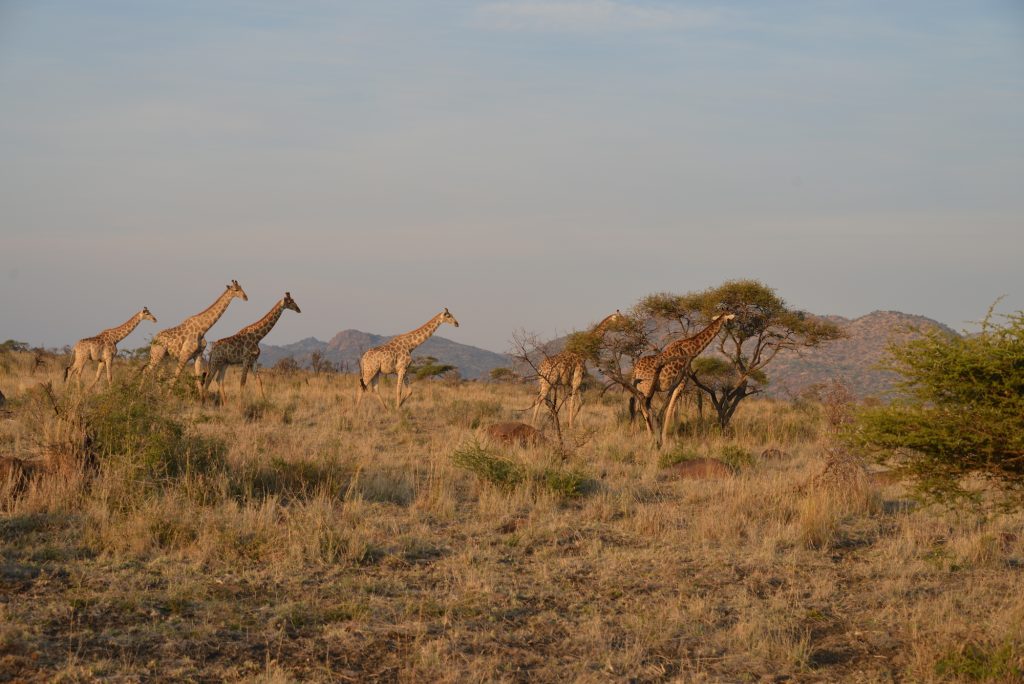
Pilanesberg is home to the Big Five: lion, leopard, elephant, buffalo and rhino, but no individual sighting can be guaranteed.
Visitors also see giraffe, zebra, wildebeest, kudu, impala, waterbuck and other antelope species. Predators found in the reserve include lions, leopards, cheetahs and hyenas, although some are more difficult to locate than others.
Hippos and crocodiles can be seen around suitable dams and waterways. The park also supports varied birdlife, including waterbirds and raptors. Bird hides near water are a useful place to slow down and watch activity.
Wildlife viewing changes from one visit to another. The season, temperature, vegetation, recent rainfall, and time of day all influence where animals are likely to be. Animal behaviour and luck are just as important.
A quiet drive doesn’t necessarily mean there’s no wildlife nearby. Animals can be hidden by vegetation or moving through another part of the reserve. Patience and realistic expectations are an important part of any Pilanesberg safari.
Pilanesberg National Park is in a malaria-free area. This can be an important consideration for families and pregnant travellers.
However, “malaria-free” should not be interpreted as an absolute medical guarantee. Health conditions and official advice can change, and mosquito-borne illnesses are not the only health consideration when travelling.
Speak to a qualified healthcare professional or travel clinic if you have concerns and if your wider itinerary includes other parts of Southern Africa. You should also check current official travel-health guidance for every destination on your route.

The dry winter and wet summer seasons offer different conditions, so the right choice will rest on what you want from the trip.
The drier winter period usually brings thinner vegetation and cooler daytime conditions. As surface water becomes less widely available, animals spend more time around permanent water sources.
These conditions can make wildlife easier to see where grass and bushes have become less dense. Early mornings and evenings can be cold, however, especially in an open safari vehicle. Warm layers and a wind-resistant jacket are useful.
Dry conditions can also produce dustier roads and a browner landscape. If green scenery and summer birdlife are important to you, winter may not be your preferred season.
Summer brings warmer weather, seasonal rain and greener vegetation. Rain can transform the landscape and attract migrant bird species.
The thicker greenery makes some animals harder to spot. Hot daytime temperatures and afternoon thunderstorms also affect the comfort and timing of game drives.
Summer can nevertheless be rewarding if you enjoy birding and photography with lusher scenery. Young animals may also be present, although births and sightings are never promised for a visit.
Instead of choosing a season solely on claims about “better” wildlife viewing, consider your tolerance for heat, cold or rain.

A Pilanesberg safari involves travelling through a functioning wildlife reserve where animals move freely across different habitats. It’s not the same as visiting a conventional zoo or wildlife attraction, and animals don’t appear according to schedule.
Game drives take place in your own vehicle or in an open safari vehicle with a professional guide. Guides use their knowledge of animal behaviour, tracks, habitats and recent activity to look for wildlife, but they cannot control what you’ll see.
Early morning is a popular time to drive because temperatures are cooler and some animals are more active. Late afternoon can also be productive as the heat begins to ease. Conditions change daily, so a good safari depends as much on observation and patience as it does on covering distance.
Pilanesberg’s landscape is one of its defining features. The reserve is located in an ancient alkaline ring complex, with concentric hills surrounding lower-lying plains and valleys. Roads pass through a mixture of open ground, rocky slopes, wooded areas, and water-rich sections.
Dams and hides provide opportunities to watch animals and birds without being in the vehicle throughout the day. Visitors must still follow all park instructions and only leave their vehicles at designated places.
Guided drives are useful for first-time visitors who want help identifying animals and interpreting behaviour. Self-driving provides more independence, but you will be responsible for getting there, park rules, gate times, and deciding where to spend your time.
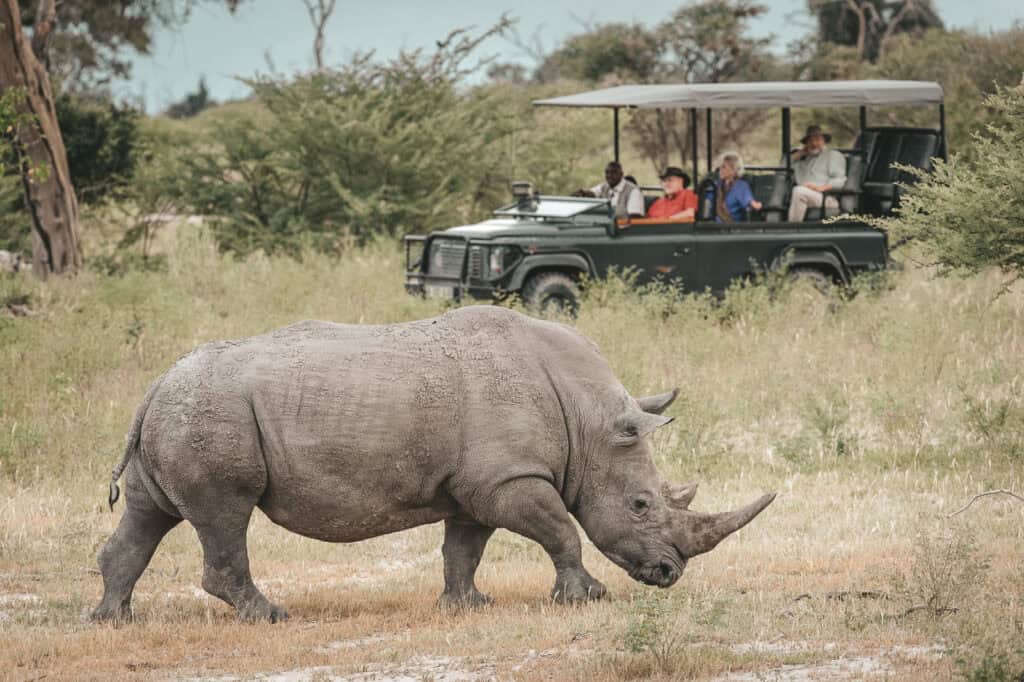
Accommodation in the Pilanesberg area ranges from self-catering or resort-style options to full-service safari lodges. The right choice depends on your budget and how central the safari experience is to your stay.
Some lodges are located in or directly beside the reserve and offer convenient access to game drives. Others are positioned in private concessions or surrounding areas, where the style of accommodation and safari activities may differ.
When comparing Pilanesberg accommodation, look beyond the room itself. Check:
A lower accommodation rate may exclude meals, game drives and transfers. A higher lodge rate may include several of these elements. Compare the total experience rather than the nightly price alone.
Staying at Sun City is another possibility. This works well if you want to combine resort activities with a Pilanesberg safari, but it’s different from staying at a safari lodge. If time in the bush is your top priority, accommodation closer to the reserve’s wildlife activities will reduce unnecessary travel.
Don’t assume a more expensive lodge will produce better wildlife sightings. Accommodation affects comfort and service, but you can’t control animal movements.
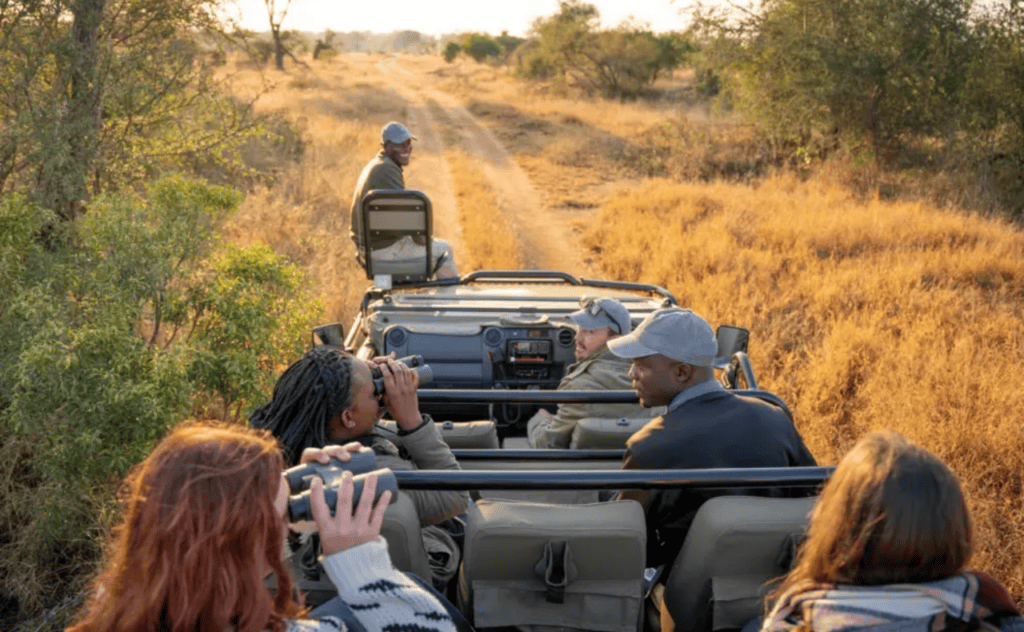
Most visitors reach Pilanesberg by road from Johannesburg, Pretoria or Sun City.
A rental car gives you control over your departure time and can work well if you intend to self-drive in the reserve. Confirm which gate is most convenient for your accommodation and check current road conditions and gate times before setting out.
A private transfer suits travellers who don’t want to drive or who are continuing directly to a lodge. Confirm whether the transfer takes you only to the accommodation or includes any safari activities.
An organised safari tour combines transport from Johannesburg or Pretoria with a guided game drive. This is often the simplest option for a day visit because the collection, park entry and safari vehicle arrangements are coordinated in advance.
Sun City guests can access Pilanesberg through tours, lodge transfers or independent road arrangements. Ask your accommodation which departure options and collection points are currently available.
Whichever method you choose, allow enough time for check-in and transfers. Safari roads are travelled at controlled speeds, so distances in the reserve can take longer than they look on a map.
A Pilanesberg day trip is worthwhile if you’re based in Johannesburg, Pretoria or Sun City and have limited time. A day trip lets you experience a guided game drive without changing accommodation or committing several days to a safari.
An overnight safari allows more time in the Pilanesberg area and includes morning and afternoon game drives. Spending more than one day also gives you another opportunity to see wildlife under different weather and light conditions.
Two or more nights can create a more relaxed experience, particularly if you want time to relax at a lodge between activities. Additional drives increase your time in the reserve, although they still do not guarantee specific sightings.
Choose a day trip if:
Choose an overnight stay if:

Pilanesberg and Kruger both have the Big Five safari, but they suit different itineraries.
Pilanesberg is closer to Johannesburg and Pretoria. This makes it popular for a day trip or short safari without a flight or long multi-day journey.
Kruger is substantially larger. The park’s size means travellers can explore different regions and accommodation areas over several days. That size also means you need to plan the park entrance and region carefully.
Pilanesberg offers a more contained safari. You can stay near one part of the reserve and build a short trip around a manageable number of game drives.
Kruger supports a wider range of safari styles. These include rest-camp stays and lodge experiences in surrounding private reserves.
Malaria could also influence the choice. Pilanesberg is in a malaria-free area, while parts of northeastern South Africa, including Kruger, fall within recognised malaria-risk zones. Travellers should check current official medical guidance for the season and destinations involved.
Pilanesberg is a great option if you have less time at your disposal. Kruger may be the better fit if you want a longer trip centred almost entirely on safari.
Read the Kruger National Park guide for a more detailed explanation of its regions, gates, seasons and accommodation.
Pilanesberg is a great choice for first-time safari travellers who want an easy introduction to a South African wildlife reserve.
Pilanesberg will suit:
Families should still confirm minimum ages for game drives and whether the length of an organised day trip is manageable for younger children.
Travellers who want a much larger wilderness area or a safari lasting most of their holiday may prefer Kruger or another reserve. Pilanesberg’s strength comes from a genuine reserve experience in one easy trip.
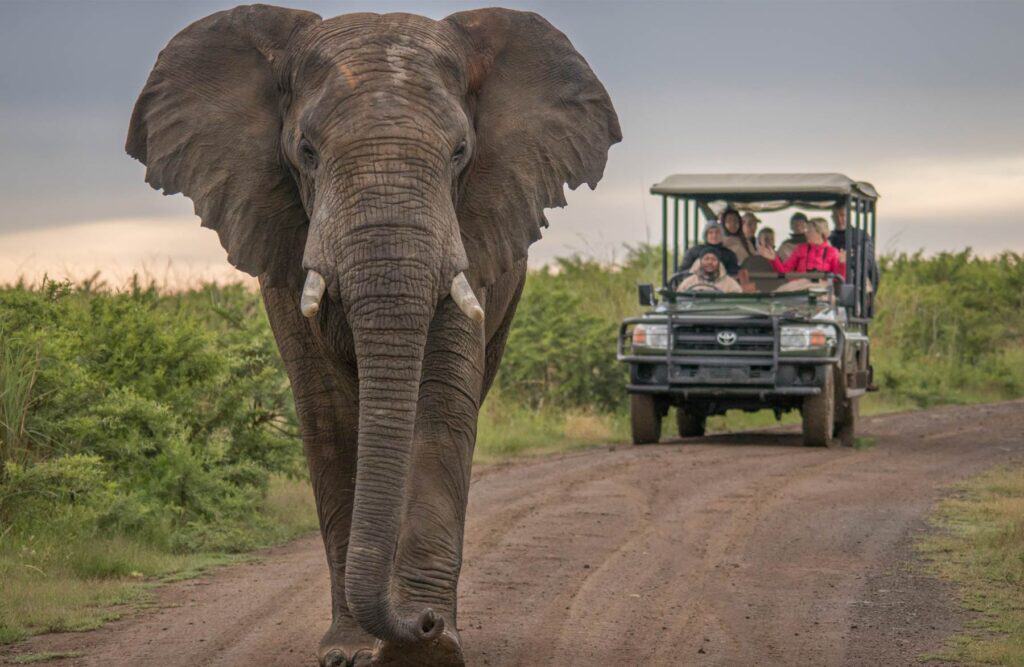
⭐⭐⭐⭐⭐
Andrew J. – Australia
“Booking was so easy through WhatsApp. This is my third trip with Mo Afrika. Such an unbelievable day. I was so lucky to have Martin again! He found us so much wildlife especially African Jacana a very rare bird for here. He’s the best, so much fun and an excellent guide. The best tour company for Pilanesberg”
Begin by deciding whether you want a day trip or an overnight stay. This choice will determine your accommodation and the number of game drives available to you.
Before travelling:
Pilanesberg National Park is a fantastic option when you want to add wildlife to a Gauteng or Sun City itinerary without planning a long journey into northeastern South Africa.
No. You can enter in your own vehicle for a self-drive visit or book a guided safari. A tour is useful if you’d rather have transport and a guide arranged, especially when travelling from Johannesburg without a rental car.
No. You can explore the main visitor roads in an ordinary car, driving carefully for the surface and conditions. Stay on permitted roads and check locally if you’re considering a less-used route after rain.
Yes. Sun City is next to the reserve, making a game drive an easy addition to a resort stay. Check whether your chosen outing includes collection, park entry and a guide, or whether you’ll be driving yourself.
Only in designated areas, such as approved stops and hides. Stay inside your vehicle while watching animals beside the road, even if they look calm or distant. Follow the instructions on your entry permit.
Yes, the reserve has designated places where you can pause outside your vehicle. Build these into your route for a break, and check which facilities are available on the day. Don’t treat an empty stretch of road as a safe place to get out.
Ordinary self-drive visits must finish within the gate times shown on your entry permit. If you’d like an evening wildlife experience, ask about an authorised guided activity instead of planning to stay on the roads after closing.
Cooler periods often make a drive more comfortable, while animal activity depends on the weather and what’s happening across the reserve that day. If you have time, try drives at different times.
It’s possible to see several of the Big Five, but a complete set of sightings is never guaranteed. Some animals are difficult to find even when they’re nearby. A good guide or a patient self-drive route will improve your experience without turning wildlife into a checklist.
Yes, if you plan around how long they can comfortably sit in a vehicle. A shorter drive with a proper break works better than an all-day search for animals. Check age rules before booking an open-vehicle tour and bring water, snacks and layers for the children.
Confirm the pickup point, total trip duration, time spent in the reserve, vehicle type, included meals and whether park entry fees are covered. If you’re making your own way there, check the correct gate and its current hours.




WhatsApp Now